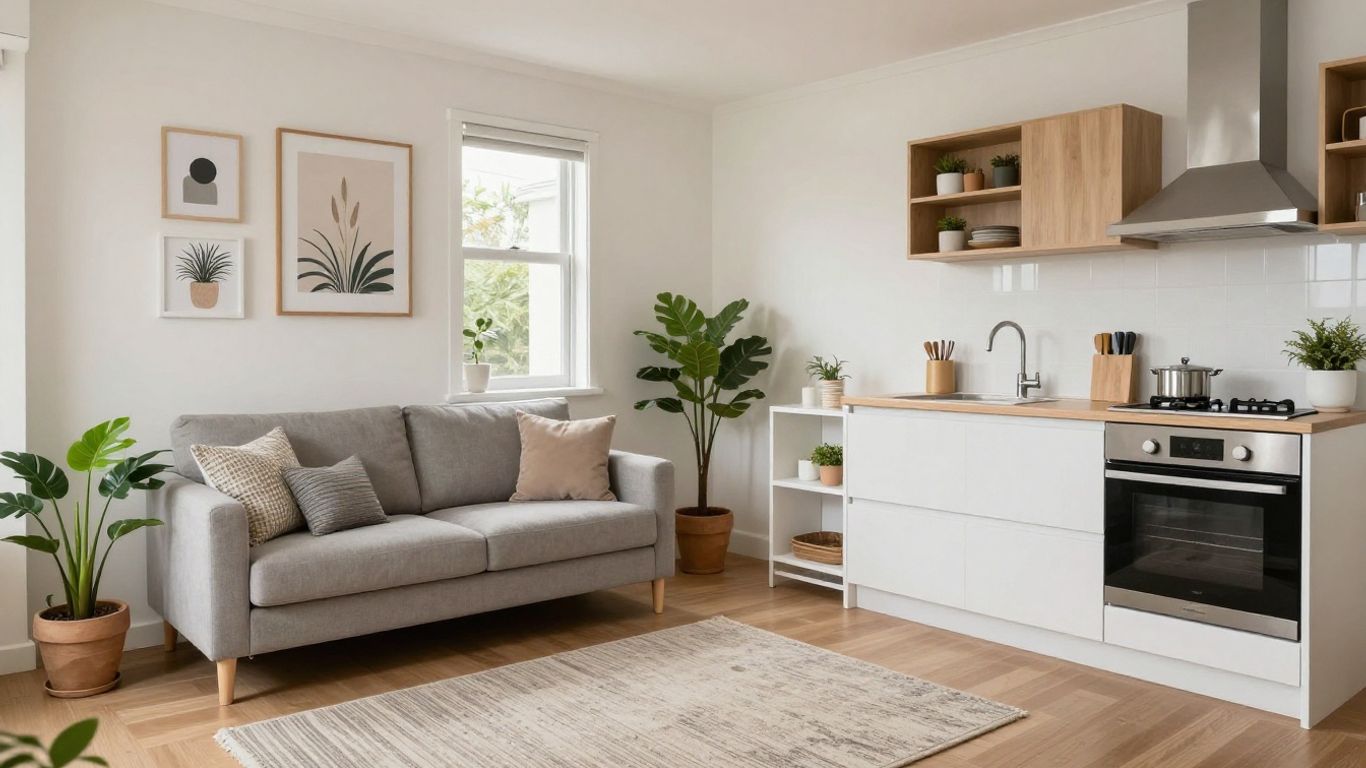
Rental approved upgrades: How to improve your space without risking your deposit
Key Takeaways
I can make a rental feel far more personal without treating the lease as an obstacle. The safest approach is to get approval early, favour reversible changes, and keep a clear record of what was altered.
- Read the lease before buying materials or booking trades.
- Ask for written approval whenever a change could affect the property.
- Choose removable paint alternatives, lighting, storage, textiles, and hardware where possible.
- Photograph the rental before and after each substantial project.
- Keep original parts and allow time to restore the space before moving out.
Start with your lease and landlord’s approval process
I begin every project with the lease, not a mood board. The wording can explain what counts as an alteration, who is responsible for repairs, and whether the property must be returned to its original condition. A few minutes spent checking those details can prevent an expensive misunderstanding later.
Find clauses about alterations and improvements
I look for sections covering alterations, fixtures, painting, drilling, adhesives, appliances, and trade work. The relevant wording may be spread across several parts of the agreement rather than gathered under one neat heading. If something is unclear, I write down the exact clause and ask the landlord or property manager to explain how it applies to my proposed change.
Separate cosmetic changes from permanent work
A freestanding lamp, loose rug, or removable organiser is generally easier to reverse than a new power point, fixed shelving, or changed plumbing fixture. That distinction is useful, but I do not assume that a cosmetic project is automatically approved. Paint, adhesive products, and mounted items can still affect the walls or require repair.
Ask what requires written permission
I send a short, specific request rather than a vague message about wanting to improve the home. I describe the room, the product or material, how it will be installed, and what I will do when the tenancy ends. For anything involving wiring, plumbing, drilling, or a fixed fitting, I ask for written permission before starting.
Keep approval records and project details
I save the approval, product information, colour names, receipts, and photographs in one folder. This gives me a simple reference if the property manager changes or I forget which finish was used. It also makes the conversation clearer if the landlord approves one part of a project but not another.
Choose low-risk upgrades with a big visual impact
The most satisfying rental approved upgrades are often the ones that change how a room feels without changing its structure. I can work with colour, light, texture, and window treatments before considering anything more involved. I also test removable products in a discreet spot, because “easy to remove” does not mean harmless on every surface.
Refresh walls with approved paint colors
A fresh coat of paint can make a tired room feel clean and intentional, but I ask about colour, sheen, preparation, and restoration first. Some landlords may have preferred neutral shades or require professional work. I keep the approval in writing and buy enough of the agreed colour for touch-ups rather than relying on memory later.
Upgrade lighting without changing wiring
I usually start with lamps, plug-in sconces, floor lights, and warmer or cooler bulbs that suit the room. These changes can improve a dark corner without opening a wall or touching the electrical system. If I want a hard-wired fitting, I treat it as a separate approval request and use a qualified tradesperson where required.
Add removable wallpaper and decals
Removable wallpaper can bring pattern to a plain room, while small decals can define a reading nook or child’s space. I check the manufacturer’s removal guidance and the condition of the wall before applying anything. I also keep spare material, because lifting a panel during removal can make an otherwise simple repair more difficult.
Improve windows with renter-friendly treatments
Curtains, tension rods where suitable, and removable privacy film can soften a room and make it more comfortable. I check whether existing blinds or tracks must remain in place before taking anything down. For adhesive film or hooks, I confirm that the glass and frame can tolerate the product and remove it slowly rather than pulling sharply.
Make the kitchen feel more functional
Kitchens often need more organisation rather than a full renovation. I look for ways to improve access, storage, and visual consistency while leaving cabinetry, plumbing, and benchtops intact. Small changes are easier to approve when I can explain exactly how they will be removed and how the original fittings will be protected.
Swap cabinet hardware and faucet fixtures
New handles can change the look of a kitchen quickly, but I measure the existing hole spacing before ordering replacements. I store every original handle and screw together in a labelled bag. A tap or other plumbing fixture is more involved, so I ask for approval and arrange proper installation rather than treating it like a simple hardware swap.
Add peel-and-stick backsplash panels
Peel-and-stick panels can add colour behind a bench without committing to tiles and grout. I check that the surface is clean, dry, smooth, and suitable for the product. Heat, steam, grease, and removal are all worth discussing with the landlord, particularly when the panels would sit close to a cooktop.
Improve storage with removable organizers
I favour shelf risers, drawer dividers, freestanding carts, tension shelves, and removable hooks that do not require drilling. Before buying them, I measure cupboard depth and allow room for doors and drawers to open properly. This approach improves everyday function while keeping the cabinetry itself unchanged.
Upgrade countertop style without permanent changes
A timber board, attractive tray, or freestanding preparation station can add warmth without covering the whole benchtop. I avoid cutting directly on the rental surface and use mats beneath appliances or containers that might scratch it. Contact paper and adhesive coverings need extra caution, since removal can affect some finishes.
Improve comfort and efficiency
Comfort upgrades can be practical as well as decorative, especially in rooms that feel draughty, dim, or difficult to regulate. I separate portable changes from anything that connects to fixed services. I also avoid assuming that a small device is automatically acceptable if it replaces or modifies an installed fixture.
Install smart thermostats and lighting
A smart bulb or plug-in lamp can be a relatively simple way to adjust lighting without changing wiring. A smart thermostat is different because it may involve the heating or cooling system, existing wiring, and settings controlled by the property. I ask for permission, confirm compatibility, and make sure the original thermostat can be stored safely if it is replaced.
Seal drafts without damaging frames
I use soft draft stoppers, removable door seals, and carefully selected window products only after checking the frame and paint condition. I do not force a seal into a gap if it makes the door or window difficult to operate. If the draught suggests a maintenance problem, I report it rather than trying to conceal it with a decorative fix.
Add ceiling fans or approved portable cooling
A portable fan can improve air movement without installation, and I can choose a style that suits the room when it is not in use. A ceiling fan requires fixed electrical work and may alter the ceiling, so I seek specific approval and use a qualified installer. I also clarify who will own the fitting and who will pay for removal or restoration.
Use water-saving showerheads and faucet aerators
These fittings may improve the bathroom or kitchen experience, but compatibility and approval still matter. I keep the original showerhead or aerator and check for leaks after installation. If water pressure changes noticeably, I remove the fitting and report the issue rather than continuing with an unsuitable product.
Upgrade floors, doors, and hardware carefully
Floors, doors, and handles receive constant wear, so they deserve a cautious plan. I prefer additions that sit on top of an existing surface or can be removed with ordinary tools. Anything that involves cutting, gluing, drilling, or changing a lock receives extra scrutiny before I proceed.
Cover worn floors with area rugs or tiles
Area rugs and runners can hide tired flooring, add softness, and protect high-traffic paths. I use a suitable underlay so the rug does not slide or transfer colour, and I lift it occasionally to check for trapped moisture. Removable floor tiles may work in some spaces, but I confirm that the adhesive will not mark or pull up the original finish.
Replace interior door hardware temporarily
A new lever or knob can make an interior door easier to use, provided the replacement matches the existing holes and latch. I photograph the original arrangement before removing anything and keep every component together. Exterior locks and security hardware are more sensitive, so I request clear approval before touching them.
Add removable molding and trim details
Lightweight trim can create architectural interest around a desk, bedhead, or picture wall. I choose methods designed for removal and test them on the actual paint finish rather than trusting a product label alone. I remove the trim slowly and allow time to repair small marks before the final inspection.
Protect surfaces from pets and daily wear
I use washable runners, furniture pads, boot trays, and scratch-resistant mats in places where daily activity is hardest on the property. These items are not a substitute for reporting damage or maintenance concerns. They simply reduce avoidable wear while making the home more comfortable to live in.
Plan upgrades that protect your security deposit
Deposit protection is mostly about knowing the starting condition and avoiding surprises at the end. I treat every project as something I may need to explain, remove, or repair. That mindset helps me choose materials more carefully and prevents a rushed restoration just before moving out.
Match materials to the original condition
I compare the proposed finish with what is already there, including colour, texture, sheen, and hardware style. A bold improvement may look wonderful but create a larger restoration task if it does not suit the original room. When in doubt, I choose a subtle layer that can be removed without changing the underlying surface.
Hire qualified help for electrical or plumbing work
I do not attempt electrical or plumbing work simply because the job looks small. I ask the landlord which tradesperson is acceptable, confirm the scope in writing, and keep invoices or completion notes. This protects the property and gives everyone a clearer record of what was done.
Photograph the space before and after
I take dated photographs of walls, floors, fittings, appliances, and any existing marks before beginning. After the project, I photograph the same areas from similar angles. The record is useful for my own planning and makes it easier to identify which condition was already present.
Store original parts and restore the rental
I label original handles, brackets, blinds, covers, and fixtures, then store them somewhere dry and secure. Before moving out, I work through the approval record rather than guessing what needs to be reversed. I allow enough time for patching, cleaning, drying, and small touch-ups, since rushed restoration is more likely to leave visible mistakes.
Estimate costs and decide what is worth it
A low-cost project can become poor value if it needs repeated replacement or professional restoration. I price the materials, tools, delivery, installation, removal, and possible repairs before deciding. I also consider whether I will enjoy the change for long enough to justify the effort.
Compare DIY projects with professional installation
DIY suits reversible decorating when I have the right tools and can work patiently. Professional installation makes more sense for fixed electrical, plumbing, structural, or technically awkward work. I compare the full cost rather than looking only at the shelf price, and I include the time required to restore the property later.
Prioritize upgrades you can take with you
I get better long-term value from lamps, rugs, freestanding storage, art, curtains, and portable cooling that can move with me. Those purchases can still make a rental feel considered without becoming part of the property. I choose pieces that work in more than one room so they remain useful if my next home has a different layout.
Confirm who pays for materials and labor
Before I order anything, I confirm whether the work is mine, the landlord’s, or shared by agreement. I ask how invoices should be handled and whether approval includes a spending limit or an agreed tradesperson. A friendly verbal conversation is helpful, but I keep the final arrangement in writing.
Create a simple approval and maintenance checklist
I finish with a short checklist so the project remains manageable rather than becoming a collection of half-finished ideas. My version includes the approval date, product details, installer, original parts, photographs, cleaning needs, and restoration steps. These notes also help me maintain the upgrade properly while I am living there.
A useful checklist usually covers:
- What I want to change and why.
- Whether the change is removable or fixed.
- What approval, trade, or product information is needed.
- How the original surface or fitting will be protected.
- What must be stored, maintained, or restored later.
That final review helps me spend on changes that genuinely improve daily life, rather than upgrades that create more work than comfort.
Conclusion
I do not need to renovate a rental to make it feel like home. By reading the lease, asking clearly, choosing reversible details, and documenting each change, I can create a more comfortable space while treating the property with care. The best rental approved upgrades are the ones that look thoughtful now and remain straightforward to undo later.