Rental approved upgrades: renter-friendly changes to ask your landlord about
Key Takeaways
I find the most successful rental refreshes are the ones that make daily life better without creating a difficult move-out. A little planning can help keep changes practical and easy to discuss.
- Check your lease and local requirements before making changes.
- Keep original hardware and fixtures so they can be restored.
- Choose removable or freestanding options where possible.
- Ask for written approval before work that could alter the property.
- Document the space and agree on costs and repairs in advance.
What makes an upgrade rental approved
A change can feel small and still affect the property, so I start by checking what the lease says and asking the landlord when anything is unclear. “Rental approved upgrades” are not a universal category; approval depends on the terms, the type of work, and any applicable local requirements. I treat reversibility as a useful starting point, not a guarantee that a change is permitted. A clear conversation before buying materials can prevent an avoidable disagreement later.
How lease terms and local rules affect your options
Lease terms may set out what a renter can change, whether permission is needed, and what must be restored at move-out. Local rules can also differ, so I avoid assuming that a practice allowed in one place applies elsewhere. I read the relevant sections and note any questions to raise with the landlord before starting. That simple check helps me distinguish a low-impact decorating choice from work that needs explicit approval.
Why written landlord approval matters
A written reply gives both sides a shared record of what was discussed. I ask for confirmation that identifies the proposed change, where it will happen, and any conditions, such as using a particular installation method or restoring the original finish later. A friendly verbal conversation is useful, but details can be forgotten or remembered differently. Keeping approval with the lease documents makes it easier to refer back to the agreement.
Which changes count as permanent alterations
Anything that involves drilling, cutting, painting, replacing built-in components, or changing wiring can leave a lasting mark or affect the property. Even an adhesive product may cause trouble if it pulls away paint or damages a surface when removed. By contrast, many freestanding pieces and simple swaps are easier to reverse, though the lease still matters. I consider both how an item is installed and what the surface may look like when it comes off.
How to check whether an upgrade must be reversed
I look for move-out language about alterations, repairs, and returning the home to its original condition. If the wording does not answer a specific question, I ask the landlord to clarify in writing rather than relying on a guess. It helps to agree on the expected end state before beginning, especially for anything attached to a wall or fixture. That way, I can plan for removal or leave the change in place only if the landlord has agreed.
Start with easy, reversible changes
I usually begin with changes that can be undone without tools or permanent marks. Small details such as cabinet pulls, storage, and window treatments can make a room feel more considered without changing its structure. Still, removable does not automatically mean harmless: adhesives and fittings can behave differently on different surfaces. I test cautiously and keep anything removed in a labelled, safe place.
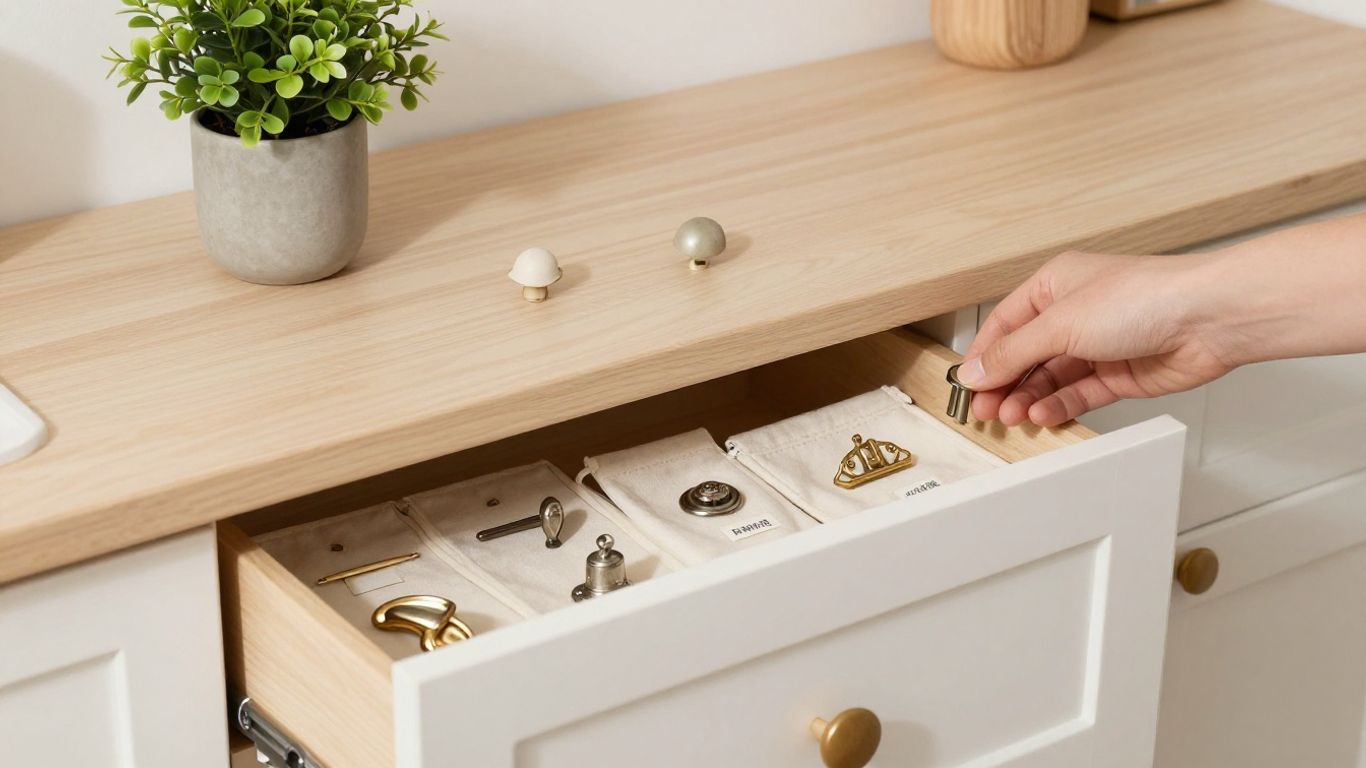
Swap cabinet hardware and keep the original pieces
Changing a knob or pull can give a kitchen or bathroom a quick visual lift, provided the replacement fits the existing holes. I take one original piece with me when shopping so I can compare its size and attachment style. The original hardware goes into a labelled bag, stored somewhere dry where it will not get lost. When it is time to move, I can reinstall it rather than leaving the next tenant or landlord to track down a match.
Use removable wallpaper and peel-and-stick accents
Removable wallpaper or a peel-and-stick accent can add colour without committing to paint, but I check the product instructions and the condition of the wall first. I try a small, discreet test area and allow enough time to see whether the adhesive affects the finish. Textured, damp, or recently painted surfaces may not be suitable for every product. If I am uncertain, I ask before applying it and keep the packaging so removal guidance is close at hand.
Add freestanding storage instead of installing shelves
A bookcase, narrow cabinet, or freestanding rack can provide useful storage without putting holes in a wall. I measure the room and check door swings, walkways, and access to vents before bringing a piece home. Tall furniture may need careful placement so it is stable and does not obstruct anything. Choosing storage that suits the space can solve a practical problem while leaving the walls untouched.
Choose damage-free hooks and window treatments
Hooks and temporary window coverings offer flexibility, but I check their weight limits and how they attach before using them. I follow the manufacturer’s removal directions rather than pulling quickly, which can lift paint or leave residue. For curtains, I consider tension rods or other options that do not require drilling, while confirming they fit the window securely. A small test and a gentle removal plan are worth the extra minute.
Improve lighting without rewiring
Lighting changes the mood of a room, and I can often improve it without altering the electrical setup. I begin with bulbs and portable lamps, which let me adjust brightness and placement with little disruption. A ceiling fixture is a different matter because removing or replacing it may involve wiring or affect a landlord-owned item. I keep the original parts and ask before touching anything fixed in place.
Replace bulbs to change the room’s brightness and feel
A bulb with a different brightness or colour appearance can make a room feel softer or clearer without changing the fixture. I check the fitting and the fixture’s stated limits before replacing a bulb, and I keep the old one in case it needs to go back. A consistent tone across nearby lamps can make a space feel calmer, while a focused reading light can stay brighter. The change is simple, but I still avoid using a bulb that is unsuitable for the fixture.
Use plug-in sconces, floor lamps, and under-cabinet lights
Plug-in lights let me add illumination where a room needs it without opening walls or changing wiring. A floor lamp can brighten a dim corner; a plug-in sconce can free up a table; and a small under-cabinet light can help with kitchen tasks. I route cords neatly and keep them away from walkways, doors, and areas where they could be pinched. These portable options offer a simple lighting refresh that I can take with me later.
Ask before changing a ceiling fixture
A ceiling fixture is usually attached to the property, so I ask the landlord before removing or replacing it. I describe the proposed fixture and who would arrange the work, rather than assuming that a straightforward swap is permitted. If approval is given, I clarify how the original fixture should be stored and whether it must be reinstalled. When the work involves wiring, I do not attempt it myself; I ask what arrangements the landlord requires.
Keep track of original shades and fixtures
If a lamp shade, cover, or fixture is removed with permission, I label it and store its parts together. Small screws and fittings are easy to misplace, so I put them in a sealed bag with a note describing where they belong. I also take a quick photo before moving anything. That record can make it easier to restore the original setup without guesswork when I leave.
Upgrade kitchens and bathrooms with minimal disruption
Kitchens and bathrooms invite little improvements, but their surfaces see more water, heat, and cleaning than other rooms. I favour changes that sit on top of existing finishes or organise what is already there. Before using adhesive products, I consider the surface condition and whether moisture could undermine the bond. If the change touches plumbing or built-in fittings, I pause and ask first.
Add a removable backsplash or countertop cover
A removable backsplash panel or countertop cover can change the look of a surface without replacing it, but suitability depends on the material and product instructions. I check that the area is clean and dry, then test a small section if the maker recommends it. I keep adhesives away from vulnerable finishes and avoid covering damage that may need attention. If removal could mark the surface, I ask the landlord before applying anything.
Use organizers to make cabinets and drawers work harder
Drawer dividers, shelf risers, and freestanding cabinet bins can make storage easier to use without drilling or gluing anything in place. I measure first so the organisers do not jam doors or put pressure on shelves. I also leave room for items that need to stay accessible, rather than filling every gap. Since these pieces are easy to lift out, they can improve everyday routines and move with me later.
Improve the shower with a removable filter or showerhead
A removable shower filter or showerhead may be an option when it attaches to an existing fitting, but I check the lease and ask before making the swap. I keep the original part and its washers together, and I follow the product instructions so the connection is not overtightened. If the fitting is stuck, leaking, or appears damaged, I stop and contact the landlord rather than forcing it. A small bathroom update should not create a plumbing problem.
Check for moisture and surface damage before applying adhesive products
Bathrooms can hold moisture, and an adhesive that works on a dry, smooth wall may not hold well near a shower or sink. I look for peeling paint, soft spots, cracks, or signs of water before applying any product. If I see damage, I report it instead of covering it up; if the surface is sound, I still follow the product’s limits. Care at this stage helps avoid a decorative fix becoming a repair issue.
Make the space more comfortable and efficient
Comfort does not always require a renovation. I look for small changes that are portable, easy to remove, and unlikely to interfere with the home’s existing systems. I also check that anything I add is suitable for its intended use and does not create a trip hazard or block access. A few thoughtful adjustments can make a rental work better day to day.
Seal small drafts with removable weatherstripping
Removable weatherstripping may help reduce a draft around a door or window, but I check the material and attachment method against the surface first. I apply only what the product instructions allow and avoid covering locks, drainage paths, or moving parts. If a window or door does not close properly, I raise that with the landlord rather than treating it as a décor project. I remove temporary strips carefully and check the finish afterward.
Use rugs and pads to soften floors and reduce noise
A rug can soften a hard floor, define a seating area, and make a room feel less echoey. I choose a suitable pad to help keep it in place, checking that the pad will not stain or mark the floor beneath it. Rugs should sit flat and leave doors and walkways clear. If I move furniture onto them, I check the floor periodically so a trapped spill or grit does not cause damage.
Add smart plugs or bulbs that don’t alter wiring
Smart plugs and bulbs can offer convenient controls while using existing outlets and fittings, rather than requiring a change to wiring. I check compatibility with the lamp or device and follow the manufacturer’s setup and safety instructions. I also consider whether the home’s internet connection or a particular app is needed for the features I want. Since these items are portable, I can remove them when I move without leaving an installation behind.
Confirm appliance changes are allowed before making a purchase
Large appliances can affect space, connections, and the property, so I ask before buying or swapping one. I share the proposed model or dimensions and clarify who would arrange delivery, installation, and any required connections. I do not assume that a replacement can use existing fittings safely or that an old appliance may be removed. Getting agreement first can prevent a costly item arriving when it cannot be installed.
Get approval and plan the work
A good request is specific, calm, and easy to answer. I explain what I want to change, why it matters, and how I plan to keep the work reversible or minimise disruption. I give the landlord time to respond before ordering products or booking anyone. Clear details help turn a vague idea into a practical decision.
Send your landlord a clear request with product details
I include the location, product name or description, installation method, and any relevant care or removal information. If the change has more than one option, I say which one I prefer and ask whether it is acceptable before proceeding. A concise message is often easier to review than a long explanation, while still giving enough context to make a decision. I keep the response with my rental records.
Share photos or installation instructions for anything adhesive or mounted
When a product sticks to a surface or attaches to a wall, I share a photo of the area and the manufacturer’s installation instructions. That lets the landlord assess the proposed method rather than relying on a broad description such as “temporary.” I mention how I expect to remove it and whether the product has limits for particular surfaces. If the instructions do not address the property’s finish, I ask before applying it.
Agree on who pays and who handles repairs
Before work begins, I clarify who will pay for the product, installation, removal, and any repair if the surface is damaged. I also ask who should be contacted if something goes wrong during the work. A short written agreement can record what happens to the improvement at move-out, too. Sorting out these details early keeps expectations clear for both sides.
To keep the plan manageable, I find it useful to gather the key details in one message rather than sending fragments over several days:
- The change I am proposing and where it will go.
- Product details, photos, and installation instructions.
- Whether the work is reversible and how removal would happen.
- Who will pay, arrange the work, and address any damage.
Once I have those details together, I can ask for a clear written response and hold off on the work until I receive it. That small pause makes the project easier to manage and gives me a record to refer to later.
Photograph the space before and after the upgrade
I take clear photos of the area before starting, including any marks or wear that are already there. After the work, I photograph the finished result and keep the pictures with the approval and product details. Good lighting and a few wide and close views make the record more useful. These notes are not a substitute for agreement, but they help me remember the original condition and what changed.
Conclusion
I can make a rental feel more personal without treating every blank wall or dated fixture as a renovation project. By checking the lease, asking before changes that could affect the property, and keeping reversible choices genuinely easy to undo, I can refresh a home while planning for a smooth move-out. A little care at the start often saves time later.